Kitchen and meals
Participants have access to a kitchen and meal space where daily nutrition becomes part of a stable routine and normal household life.
UUSTEE / LIVING CONDITIONS
This page explains what everyday life inside the organization looks like: kitchen, living and work spaces, sanitary facilities, and the household structure that supports recovery.
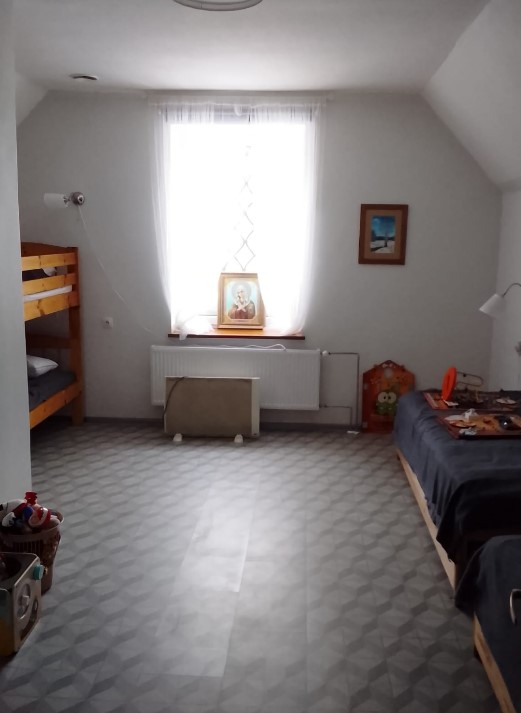
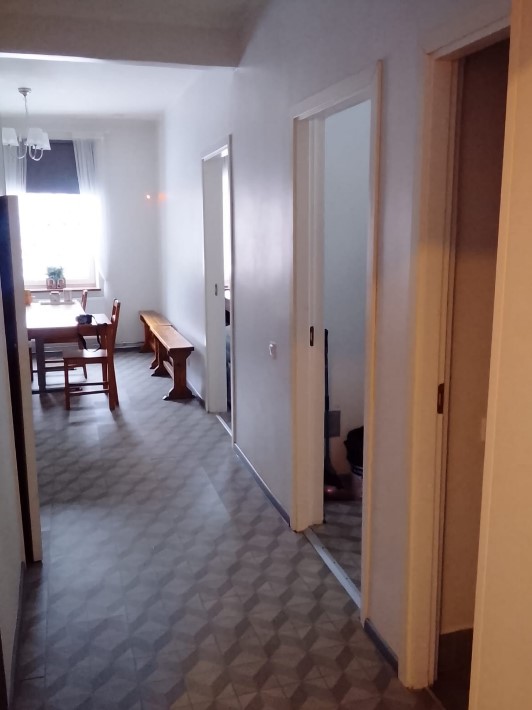

Participants have access to a kitchen and meal space where daily nutrition becomes part of a stable routine and normal household life.
The residential area gives participants a safe and orderly environment for rest, sleep, and gradual return to everyday stability.
Practical work zones and household tasks are part of daily rhythm, helping restore responsibility, routine, and confidence.

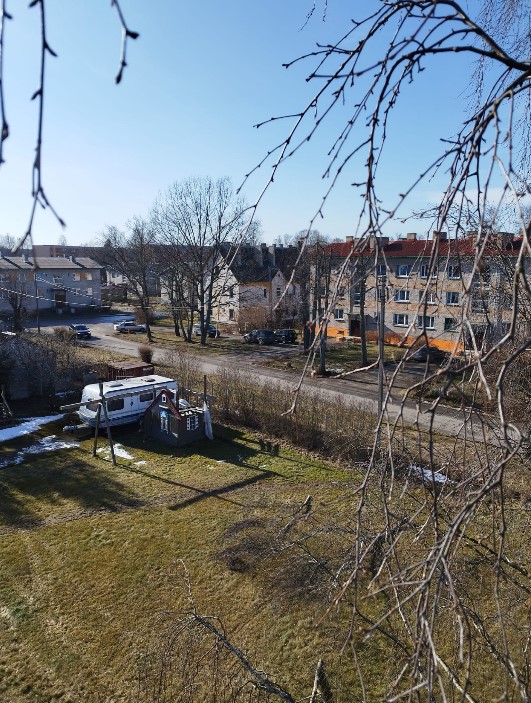
Participants have access to the basic spaces needed for steady everyday life: a kitchen, living area, work space, bathrooms, shower facilities, and shared territory where routine can be rebuilt step by step.
These conditions matter because recovery depends not only on conversation and support, but also on whether a person can live in a clean, structured, understandable environment where daily life is possible again.